Meet your own Jarvis: talk to Clippy in real time
· Product announcement
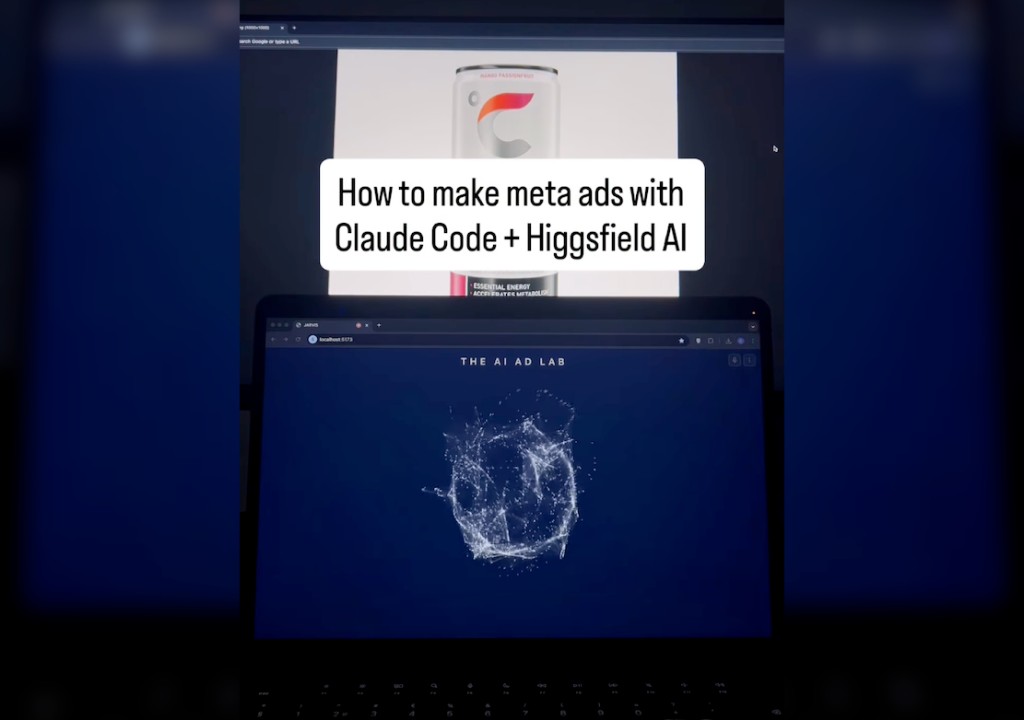
Pop culture sold us Jarvis: a calm voice you talk through problems with while your hands stay on the metaphorical suit thrusters. The funny part isn't the superhero gloss; it's cognitive offload. Speaking lets you scaffold half-baked prompts, revise yourself mid-thought, and keep context warm in a room full of interruptions. Typed chat excels at fidelity; realtime voice excels at momentum.
This is why “brain-first” framing keeps showing up
People say “it feels like a second brain” once models stream answers alongside their speech, not because anything magical happens, but because bypassing keystrokes lowers activation energy. The model still reasons with tokens behind the curtain; audible playback makes that reasoning ambient. When neural text-to-speech is available it sounds smoother over long arcs; when fallback voices kick in, the loop still beats rereading static paragraphs silently.
Ears + mouth + eyes = humane multitasking
Social teams routinely context-switch among creator briefings, spreadsheets, approvals, notifications. Listening to a concise spoken answer while approving the next thumbnail is ergonomically sane; dictating tweaks while pacing a green room beats thumb-typing paragraphs you'll revise anyway.
The Clippy twist: voice on the same agent that ships social outcomes
Clippable isn't a novelty dictation toy bolted beside your stack. Clippy is your AI social agent anchored in goals, approvals, programmatic distribution and measurable lift. Voice speeds ideation, but the roadmap you agree with Clippy still has to reconcile with dashboards, timelines, creators, attribution. That juxtaposition is the adult version of cinematic sci-fi fantasies applied to marketers who actually invoice what they shipped.
Prefer typing on the couch? Messaging Text Clippy still taps the same agent. Prefer deep focus typing in-app? Jump into Clippy chat, then elevate to the fullscreen voice orb when you want that Jarvis pacing loop: mic in, streamed intelligence out, synthesized voice optional when your environment allows sound.
Roadmap honesty we refuse to varnish
True duplex Hollywood banter, with zero latency, interruption-perfect barge-ins everywhere, studio-grade fidelity on every device, still collides with mobile OS limitations, bluetooth jitter, noisy offices, accessibility needs, and shipping discipline. Today's pragmatic goal is narrower: dependable capture, audible clarity, iterative creative sessions that feel conversational without pretending sci-fi timelines.
FAQ
Why do people compare good voice AI assistants to Jarvis?
Because the imaginative bar is effortless: speak a messy thought, interrupt yourself, revise mid-sentence, and the system adapts rather than brittlely waiting for a perfect prompt. Fiction smooths latency; today’s tooling still needs honest limits, yet streaming models plus modern speech pipelines get far closer than text-only chats did to that feeling.
What feels different about realtime voice loops versus typed chat?
You trade precision typing for tonal nuance: pauses, emphasis, half-formed ideas clarified aloud. Streams of tokens arriving while you finish a sentence emulate a collaborator thinking with you rather than reloading a transcript after you Submit. Hearing answers through natural-sounding synthesis closes the perceptual circle so multitasking crews can glance away from the keyboard.
Does Clippy have a Jarvis-like voice surface today?
Clippable exposes a conversational voice path that pairs streamed chat with spoken replies: microphone capture, realtime assistant output, optional neural text-to-speech when configured server-side plus browser-grade fallbacks. From the Clippy workspace you can engage Voice/open the fullscreen orb experiment inside the workspace. Messaging channels such as SMS remain parallel on-ramps; see Text Clippy in our news archive.
How does neural TTS change the experience?
When high-quality synthesis is configured, assistants sound smoother and steadier across long turns than built-in synthetic voices alone, which lowers fatigue when iterating creative or campaign ideas. Fallback paths still operate so demos work even before keys are plugged in environments missing cloud speech synthesis.
Is voice meant to replace the rest of Clippable?
No. Voice excels at exploratory thinking, direction setting, edits read aloud before posting, and pacing meetings. Execution still benefits from dashboards, approvals, creator routing, attribution, and the non-voice workflows that keep social automation accountable. Voice is additive surface tension on top of one agent, not a shrunken compromise product.