How to market a website

How to market a website: put a sharp offer on a page that can convert, then get the right people onto that page with search content, social creative, and, when the page already works, a small paid test. Clippable shortens the creative and brand-context work. It does not replace the offer or the analytics.

No card required for your first ad. Then start a 3-day trial if you want to keep going.

Offer, audience, conversion page

Name the outcome and the price or next step above the fold. If a visitor has to hunt for what you sell, ads will not save the site. Audience is a role plus a situation (“local clinic booking after hours”), not a demographic slider. The conversion page should match the ad: same promise, same proof you actually have.

SEO and content

Pick queries you can rank for because you can answer them. One useful guide beats twelve thin keyword pages. Internal links should send people to the conversion page, not to more essays. This article is an example of that shape, it answers the query, then points to tools.

Social, paid search, retargeting

Social creative should look like the site’s brand, not a random AI aesthetic. Paid search works when the query is already commercial. Retargeting is a second touch, not a first strategy. For generating the ads themselves from site context, use the website to ad generator , and read the honest ingest limits there.

Measurement

Track one conversion (lead, trial, purchase) and the cost to get it. Ignore follower counts. If you cannot see the conversion in analytics, do not scale spend.
A practical starting plan on a small budget

  1. Rewrite the homepage offer until a stranger can quote it
  2. Add one proof you own (screenshot, photo, process), no invented logos
  3. Publish one search-intent page that links to that offer
  4. Make one set of on-brand stills or a short clip for social and ads
  5. Run a capped paid test (search or social, not both) for two weeks
  6. Turn on retargeting only if you have enough site traffic to fill an audience
  7. Keep or kill based on cost per real conversion

Clippable is built for step 4 and for gathering brand context from the site. Steps 1–3 and 5–7 stay yours.

Make one ad free

No card required for your first ad. Then start a 3-day trial if you want to keep going.

Creative you can attach to that plan

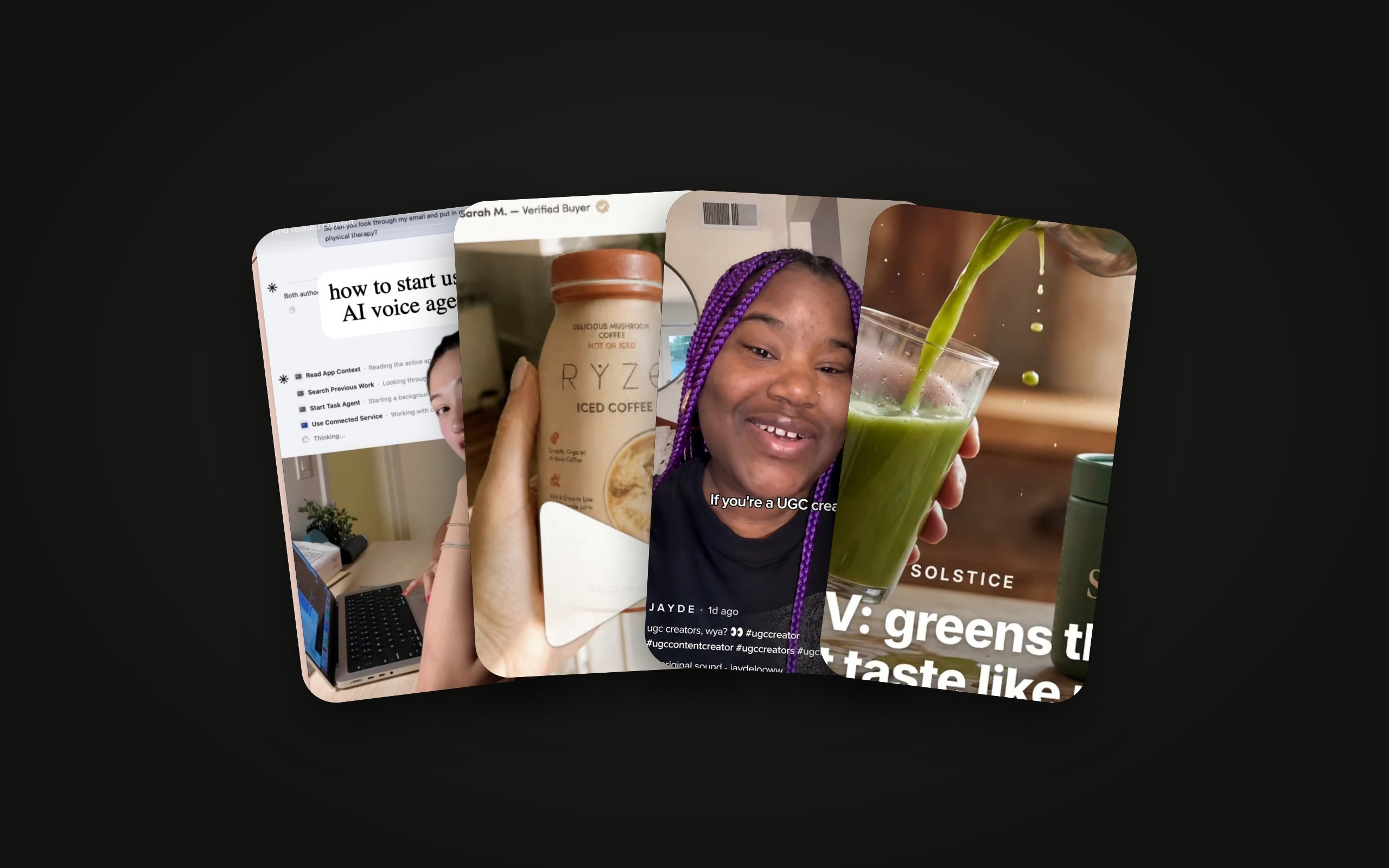
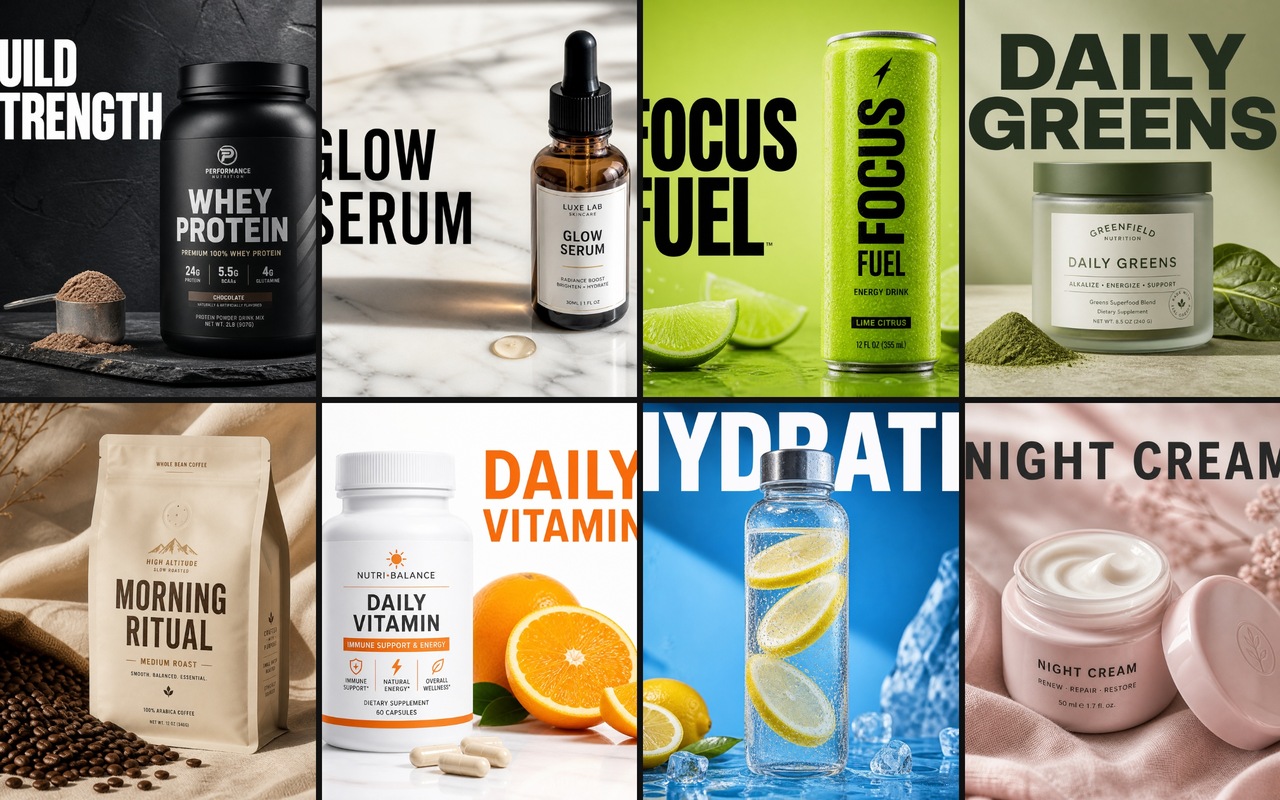
Real Clippable catalog stills. Not a claim that any website “went viral.”

  • How to market a website: on-brand social creative from Clippable
    Social creative that follows brand context gathered from the site.
  • Website ads generated in Clippable’s AI ad generator
    Paid-search and paid-social stills once the conversion page is clear.
  • How to market a website with a weekly content plan from Clippable
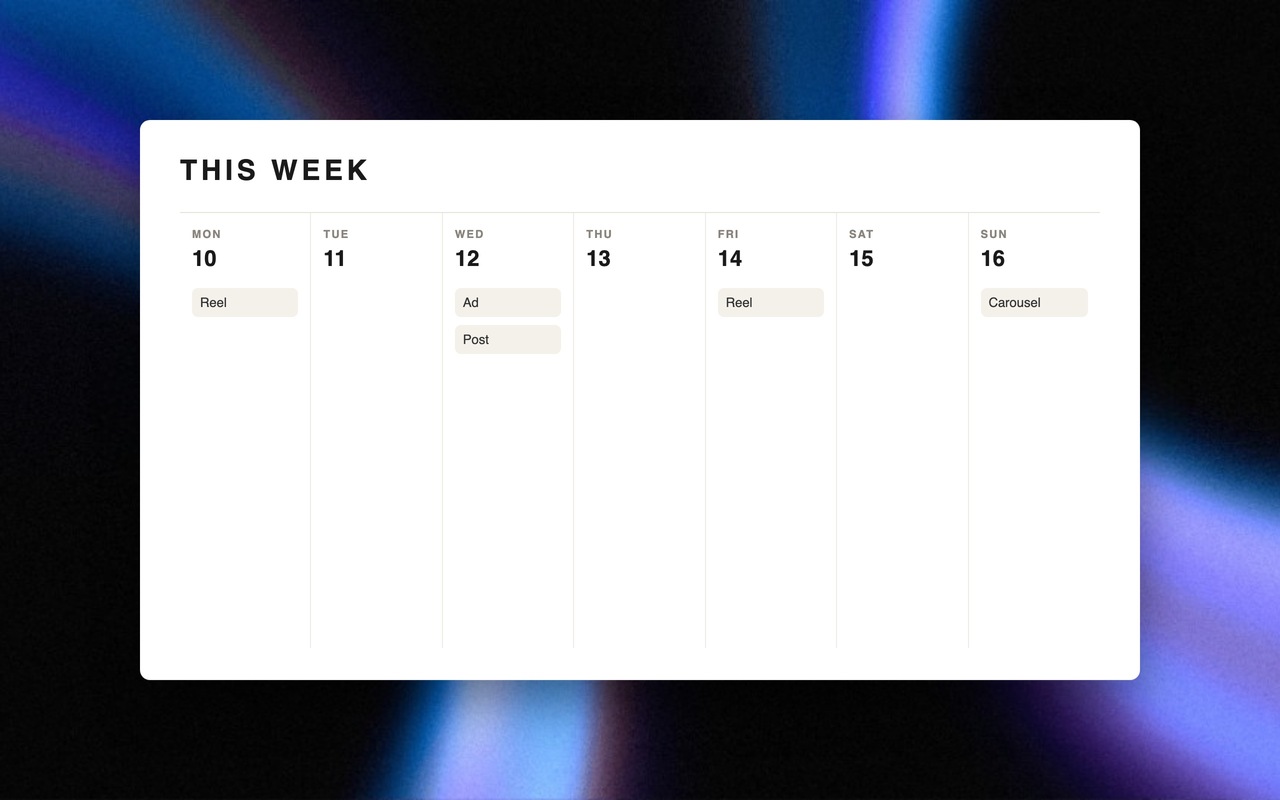
    A weekly content still, SEO and social need a calendar, not a burst.

Questions people actually search

Make the page say the offer in the first screen, publish one useful page or post a week, and run a small paid test only after a few people convert without ads. Creative tools help you show the offer. They do not pick the offer.

SEO is slow compounding. It needs pages that answer real queries. Pair it with a conversion page and some distribution. SEO without an offer is a blog nobody buys from.

If people already search for the problem, paid search can be cleaner. If the product needs a demo, social creative may teach faster. Start with one, not both, on a small budget.

A pixel on the conversion page and a simple “came to the site, did not buy” audience. Do not build a maze of five ad sets before you have fifty converting sessions.

Clippable can ingest brand context from a site and generate ads and social creative. You still write the offer, publish the page, and own the ad account.

Make one ad free

No card required for your first ad. Then start a 3-day trial if you want to keep going.